
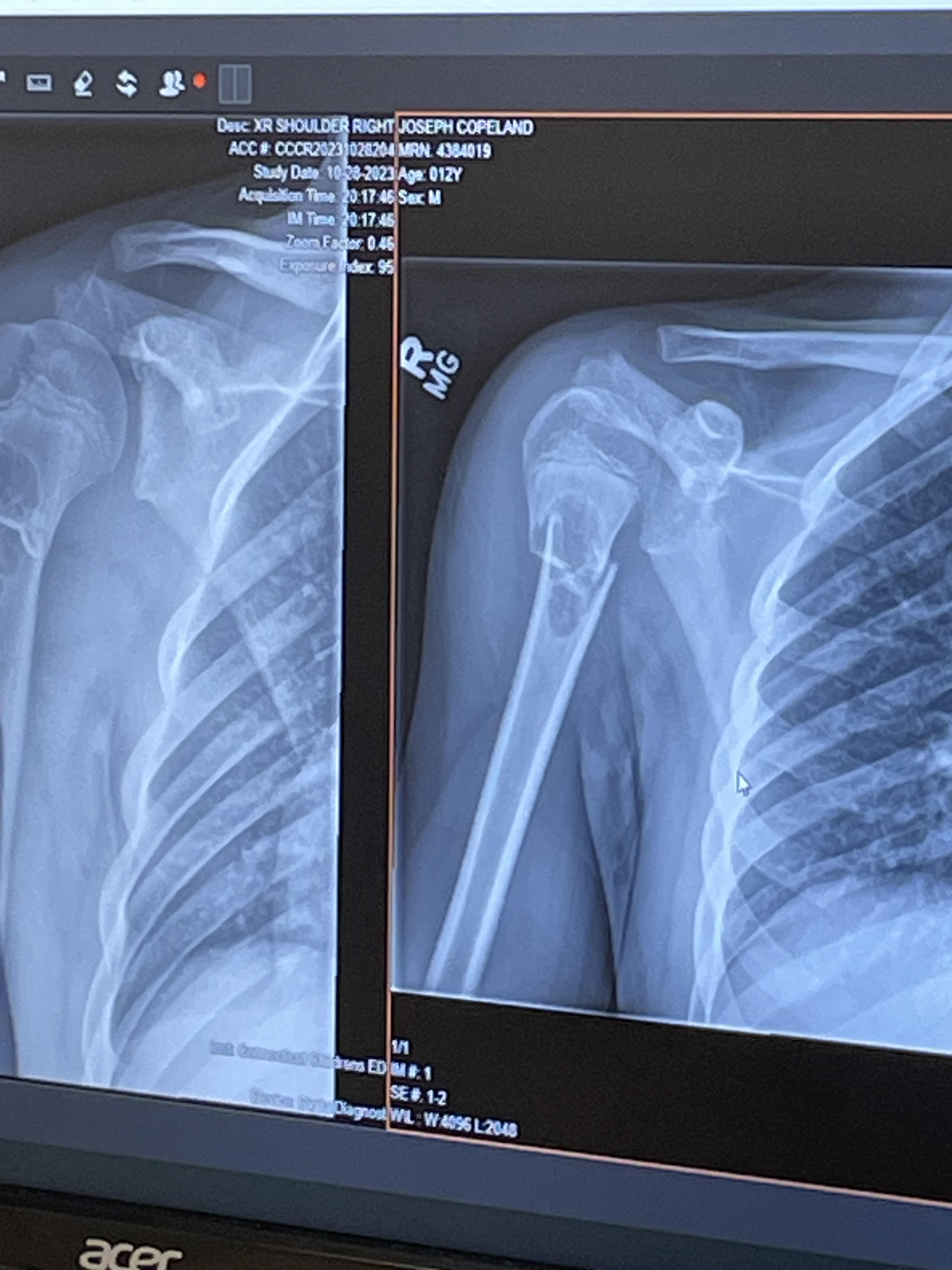
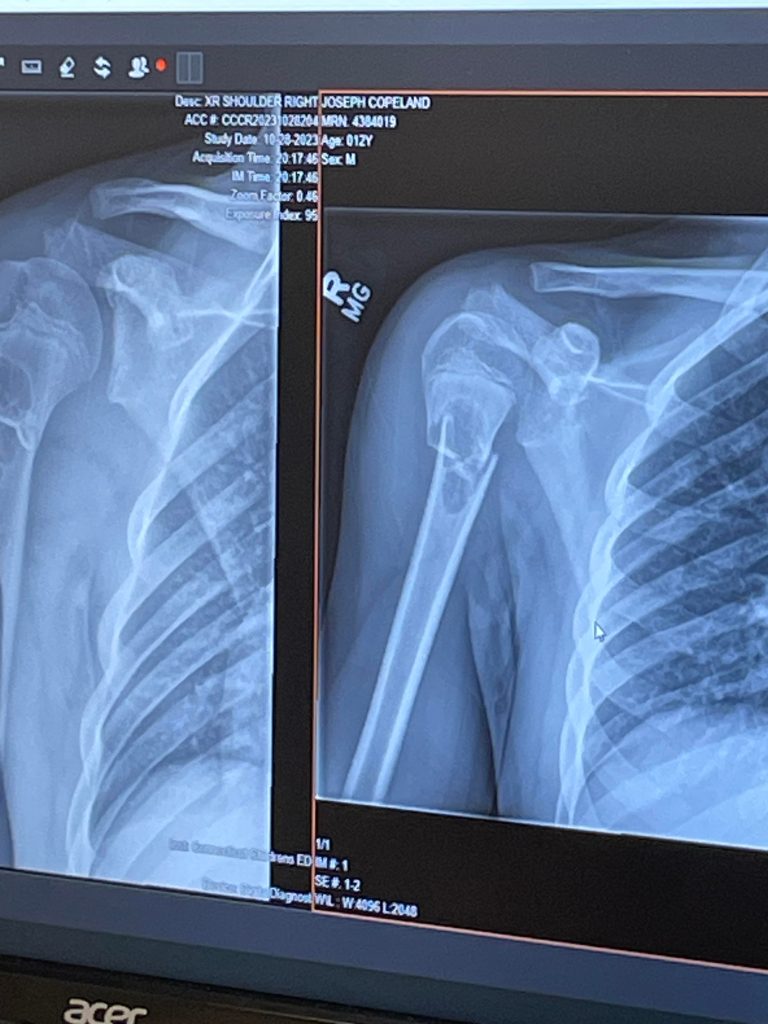
We learned more from this student injury….
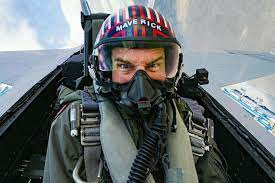
than we did from an inquiry lab, lecture, notes, and a reading. My seventh graders were a week into their study of bones and the human skeleton when JC walked in with a sling and a cast. The commotion (lets call it inquiry, for the sake of pedagogy) was reminiscent of stories from “You Can’t Teach Through a Rat.” There was a distraction that derailed everything, and I had to do some Maverick level maneuvers before things got out of hand.
Time to do some teacher stuff….
“OK, JC. What happened?” After the intial tale, I opened the floor to questions. We recorded the questions, and the top three vote getting questions became our inquiry. They became interested in how bones break, and the progression of healing. This meant that I had to scrap and retrofit my plans to allow them the real life exprience of emailing doctors, research, and examining JC’s x rays to see what bones were effected, how he fractured them (the forensic recreations were fantastic, BTW,) and predictions about how the bone will heal, what it will look like, and the amount of time before he can play basketball again. Students began looking for kids on crutches in the hallways, friends, calling relatives to get their stories of breaks to share. There were raps, songs, skits, cartoons, models, and injuries made up as demonstrations of understanding. The day that the cast came off and the clear x-ray was shared (a lumpy callus remained, which many were concerned about,) there was a collective cheer- as if they played a role in the healing.
Reflection time: did this work? Did students meet the standards? Were all the same Learning Targets Addressed? My data reflected a 96% rate of meeting or exceeding the Standards and Learning Targets. Student engagement was high, and the real life nature of the content provided a depth of reality that cannot be recreated in a lab.
From this intial experience, I began to seek extensions of learning outside of my classroom. Historically, this is a field trip or guest speaker. With the advent of virtual meetings, we now have the opportunity to reach out and ask questions of experts. this information gets used to develop initiatives that not only teach Science, but can extend out of the classroom and into the community.
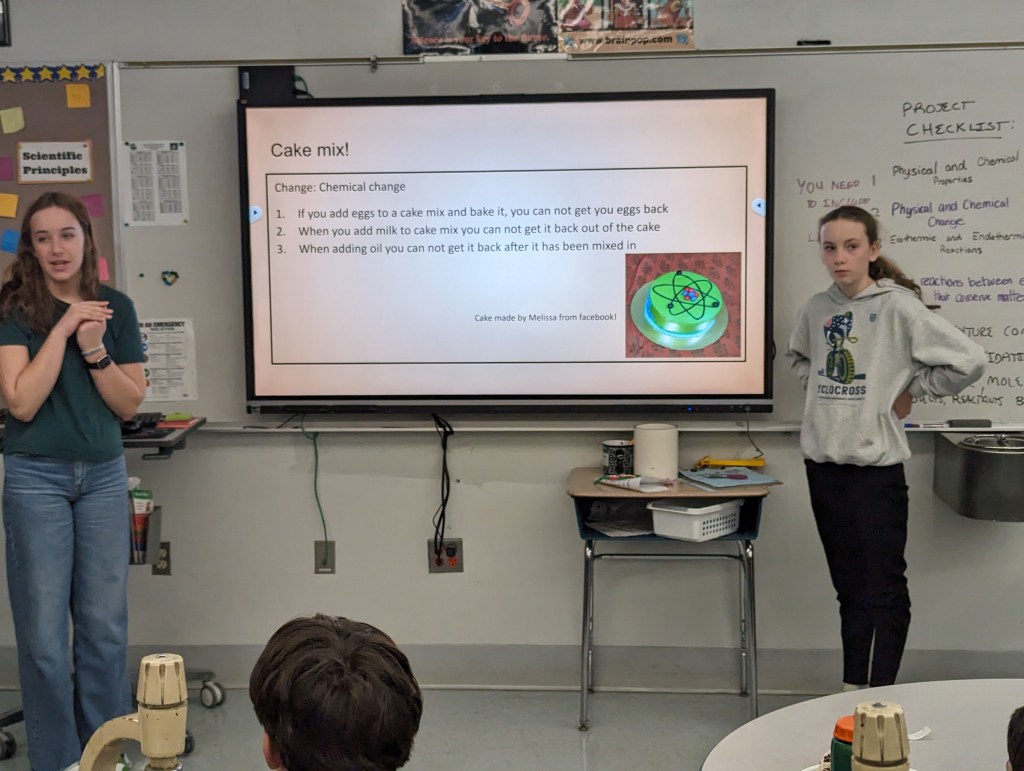
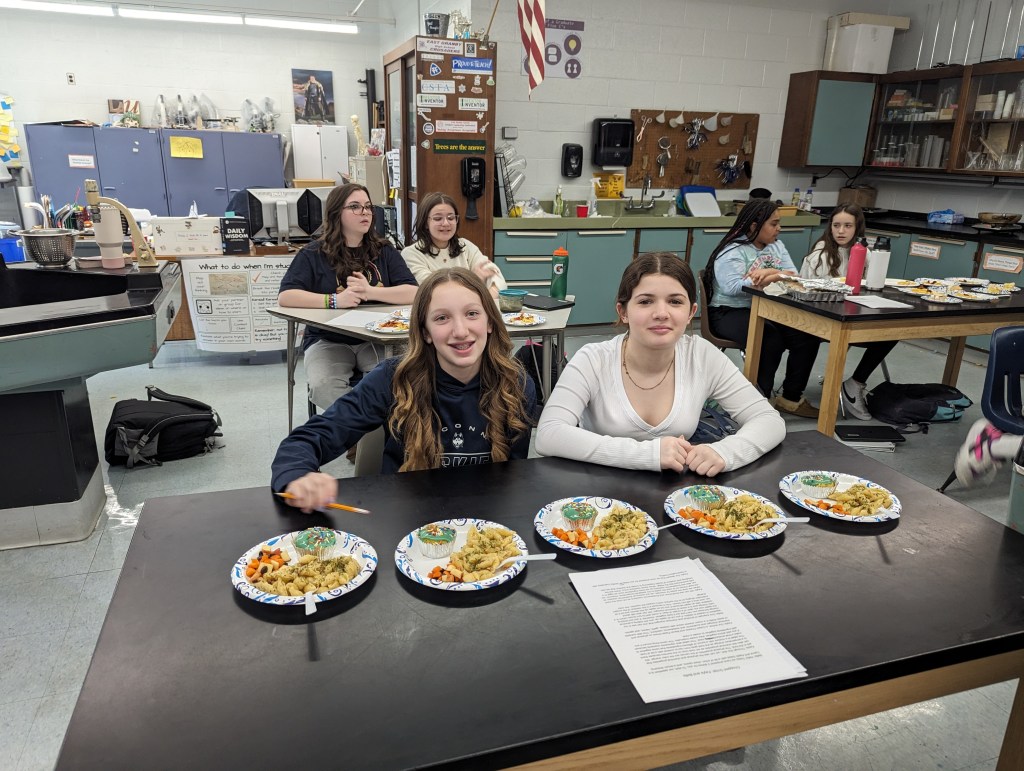
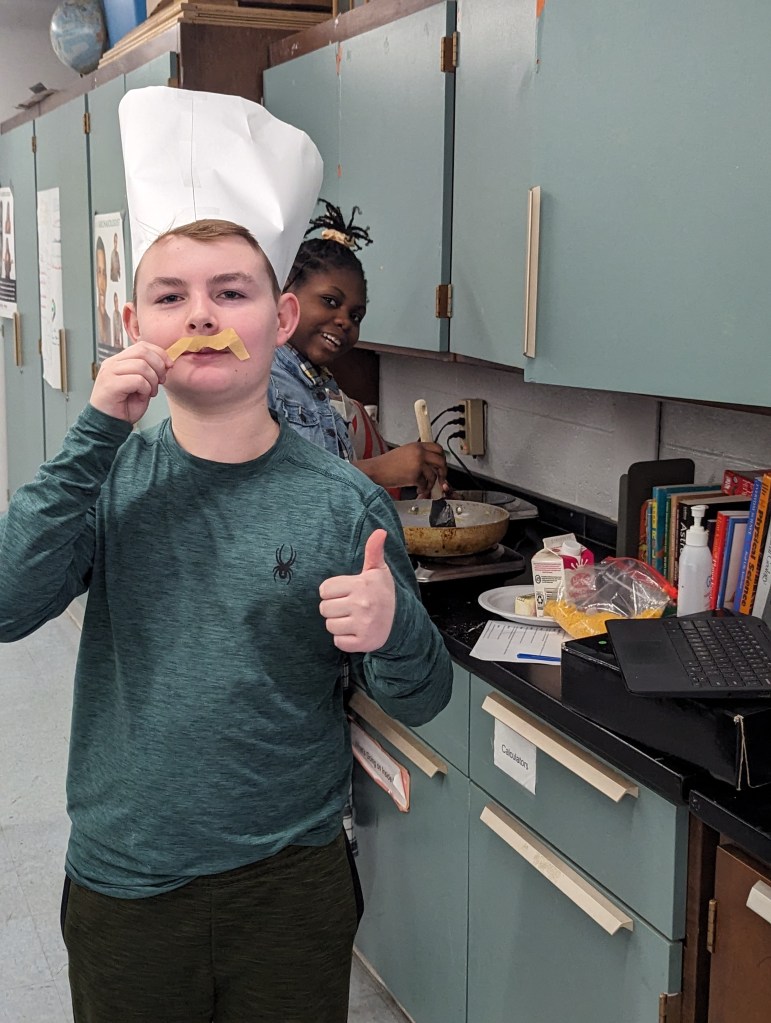
Chemistry? We had 45% of students participate in our recreation of “Chopped.” (Complete with a guest judge panel!)
“Why is it so loud in here?
-Anonymous 7th grader
Instead of a study of sound and harmonics, students wanted to find a way to make the cafeteria quieter. Decibel meters were found, with covert data collected each day. Materials were modeled that showed the interactions of sound. I went as far as to reach out to a former student that was now a sound engineer to get some pro tips (it is who you know, right?).We watched concerts (Beyonce vs Taylor Swift vs. AC/DC) and took virtual tours into the great performance halls of the world. A budget was designed after some targeted online shopping, and a plan is being finalized to take to the Board of Ed. The goal? A quieter space to socialize and eat with friends.
Big Takeaway? Why teach through a rat, when you can make that rat your inroad to curriculum?
 Mr. H's Not So Secret Classroom