

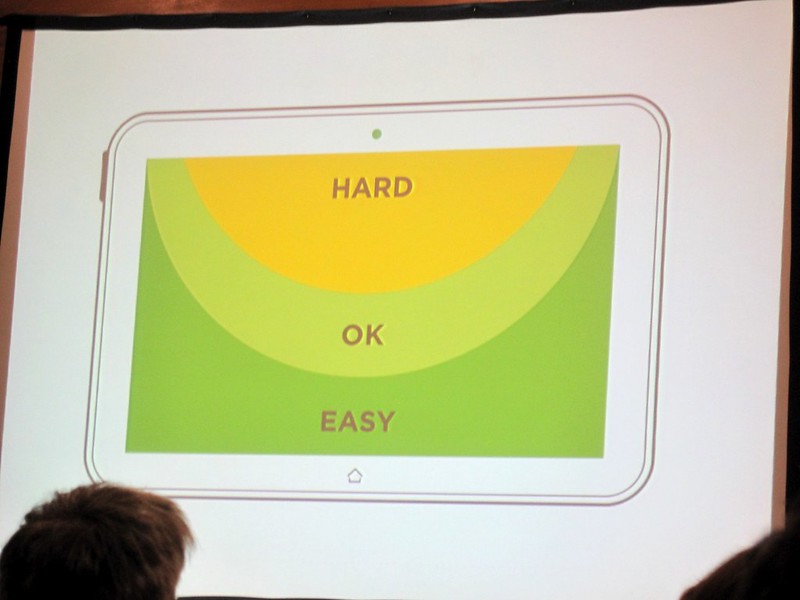
Where do YOU like to be? In this image, where is the greatest area of growth? What area is the most daunting?
As a fan of Adam Grant, I became obsessed with the idea that we are stunting our own personal growth by staying in your comfort “lanes,” maximizing that which we feel that we are “good at.” This gave me pause, because educators have hammered home the idea of multiple intelligences for years. I myself have had students that “tests” to identify how they learn best. Armed with this knowledge, I now have two problems-
- In looking at “multiple intelligences” I just handed students a myriad of ways in which they can’t learn or will be less successful.
- As a teacher, I focus on providing opportunities for students to work in the windows in which they “”are good at it.” and “learn best.”
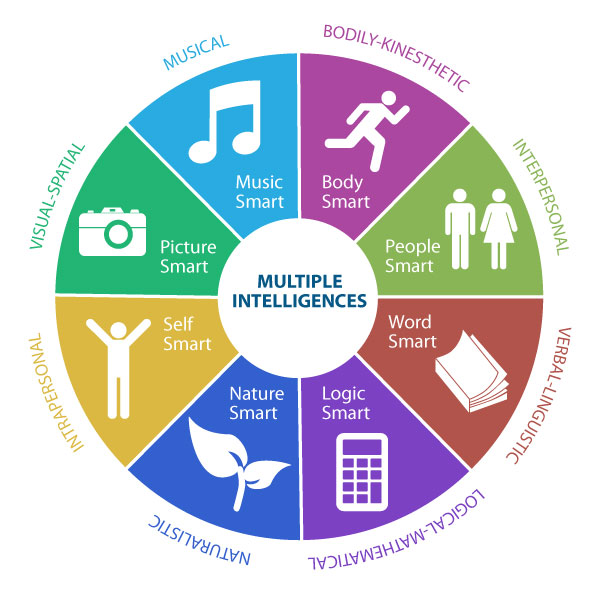
In theory, we want students to dive deeply into learning, because that is the place where they will learn not only concepts and ideas, but also about themselves. Sadly, as soon as a student discovers that they are a kinesthetic learner, they automatically brand the other learning styles as lesser, or that they will not find success in activites that require deviating from their strength. With the best intentions, I directed them to discover that there ae many ways in which they “can’t.”

What happens next for all these students? To turn the question around, when we don’t feel that we are good at something, AND we had little desire to become successful at this task, topic, activity, we stop trying. It happened to me, and I am guessing that you can identify a laundry list of things that you dislike because you believe that success is out of reach. I can pull up the list of things that I believe that I can’t learn to do with even the most rudimentary skill level. Only now am I stopping to ask if this is true or a narrative that I have created for myself. To claim that I “can’t” find success puts little faith in my own abilities, and makes me consider what past experiences lead me down this path.
This type of thinking makes a student cautious, uneasy (oral presentation time throws many into fits of anxiety) and questioning of their abilities. School wants to grow risk-takers, knowledge seekers, and leaders of the future. We become the limiting factor when we guide them in ways that they “can” and rarely encourage the zones that they have not worked harder to develop. I always mention the student “toolbox,” but then encourage them to use the hammer for everything. I can’t really wrap my brain around why I have unquestioningly stunted their growth for so long. Students often work in ways they are comfortable, NOT in ways where they are deficient. I would be a better math student, mechanic, and bowler if I wanted to be. As Grant stated, realizing potential is not about innate abilities. “When we judge potential,” he writes, “we make the cardinal error of focusing on starting points—the abilities that are immediately visible.” He states that provided “the right opportunity and motivation to learn, anyone can build the skills to achieve greater things.” You will find more success the farther that you are willing to travel. There is not one researched variable that determines aptitude, but spend enough time, and proficiency can be achieved. If that is not the true nature of growth….
Do certain people excel more than others? Michael Phelps is built differently than many other people (longer arms and legs, large feet, etc. ) but those gold medals happened through hard work and dedication. In short, his journey into swimming was a long one. If he was told at a young age that he was not a good swimmer, would he be a decorated Olympian? Coming back to the classroom, how will students begin these journeys, if we begin their year by pointing out their deficiencies? Do we create self-limits for children, only surpassed if a student decides to dedicate time to geting better? How long does this midset persist? I can attest to the fact that I still hang onto my own limiting factors. If I want to grow or develop a skill, it is on me to dedicate some time. This requires me to step out of my comfort zone.
Taking a moment to self reflect on my own practice, I see that my greatest growth happened when I said “yes.” and stepped outside of my comfort zone. Whether it is playing in a basketball fundraiser, (I CAN get in the way, but Steph Curry, I am not) or facilitating Professional Development for my peers and beyond, being uncomfortable helped me grow in confidence and a sense of self that would have not happened had declined. My wife and I laud the concept of “acorn to oak,” but the researcher in me sees the potential for students when they step outside of their comfort zone to examine the “what if.”
As an educator, I want to push kids out of their comfort zones. To do this, there is more personal investigation that has to happen. it will start with my own language regarding how students learn. They learn in a myriad of ways, until I remind them that they are actually “auditory learners” and should leave the movement to those who are kinesthetic. In this case, I am back to being the acorn. It is uncomfortable, but I know that growth comes with struggle.
 Mr. H's Not So Secret Classroom