
Written on the board:
“Test Tomorrow!”
That four letter word that we use for assessment strikes fear into the hearts of many students. Failure becomes an option. I have written about why failure is necessary for growth. The looming questions revolve around what happens AFTER the test? What can a failing grade do to an average? What about the incorrect answers? Are these addressed? Do our practices truly support student growth?
How many times have you heard “Learn it, because it will be on the test!” Is that the best reason to learn anything?
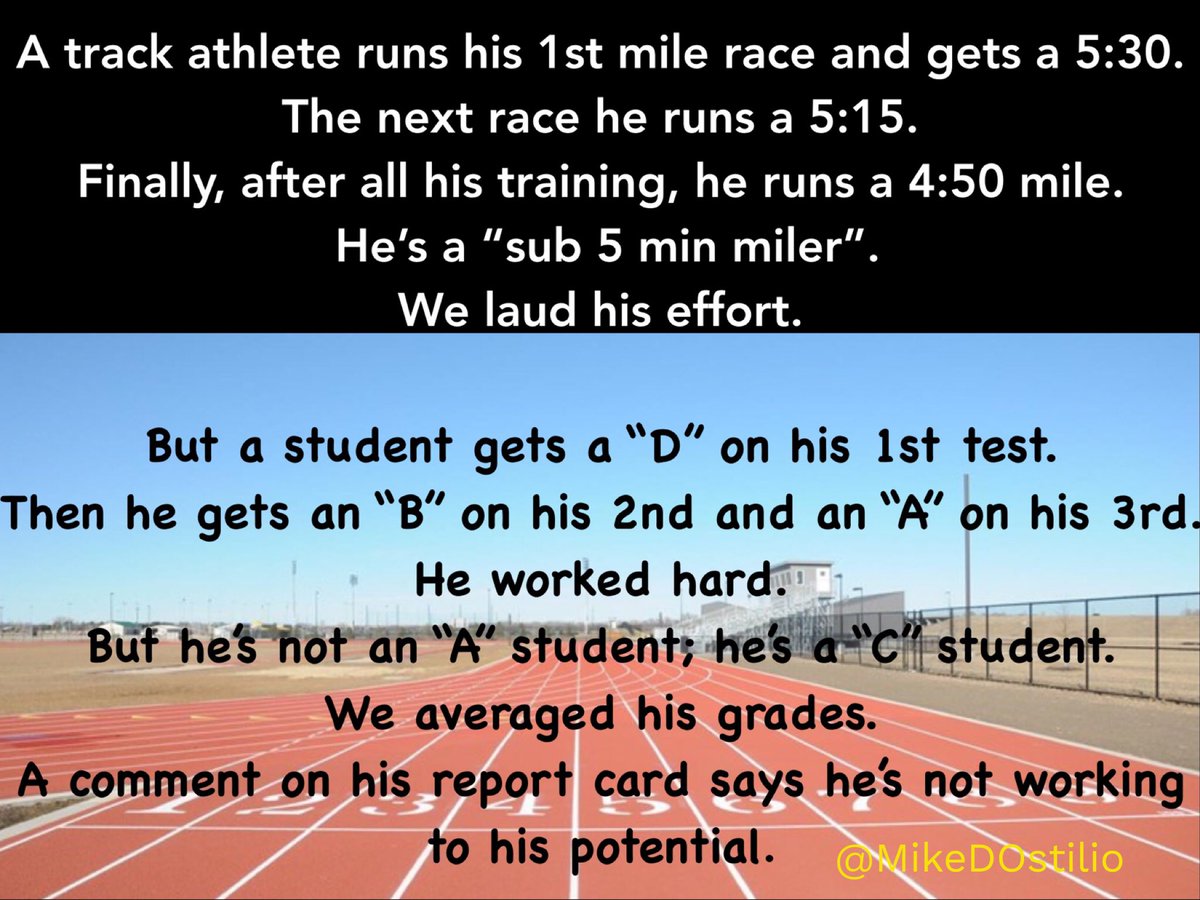
Why do we separate our celebrations of growth?
During a recent discussion about assessment, homework, and late work, I am still surprised by the definitive lines that are being drawn around assessing students. The above image and text, to me, strikes at the heart of how we should view assessment. Are we, as educators, seeking to map student achievement? Or student growth?
Much of my own professional evolution towards assessment philosophies stem from Rick Wormeli’s Book “Fair Isn’t Always Equal.” My own school nostalgia contains many instances of fevered whispers from one class to another that had a “pop quiz” sprung upon them on a Monday morning. (Unfair! “Rolls eyes”) Or, the high stakes unit tests that were “one and done. ” My achievement was measured on a scale of learned right now, not learned because the material is important. Once that test was completed, we all moved on, failure or success be damned, because we had new things to learn.
I watched students struggle, become frustrated, or shut down, grabbing a “failed” test and jamming it into a backpack. That test was never revisited for what went wrong, what concept was missed, and how to unlearn and relearn the correct answer, method, or concept. What occurred to me is how students can easily become disenfranchised with their own education. It is the teacher’s fault, the school’s fault, or their fault because they are not capable of learning. (“I’m just dumb.”) How is this acceptable? We are the formative parts of their development, but still embrace the “gotcha” culture in our own classrooms.
I’m confused. What is it that we value? What culture are we attempting to create?

To paraphrase Christopher Emdin (of #HipHopEd, and #ScienceGenius) effective classrooms happen when students are willing to “Ride with you.” If we can’t create a culture where students are involved, active participants in their own academic growth, they won’t “ride” with us, as guides in their own learning. The need to feel competent and valued flies out the window. Without classroom culture, students become unavailable for learning. Professionally truncating our own practices for students is ultimately self-defeating.
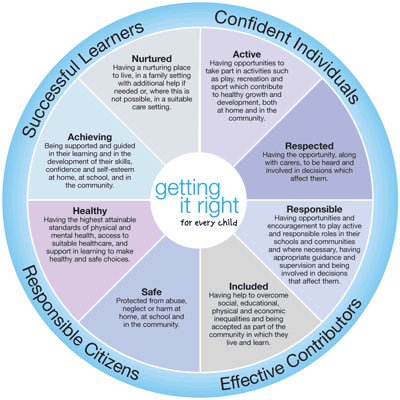
So, how do we adjust our philosophies around assessment to celebrate student growth, over the “gotcha” culture of many assessments? The arguments are many for a one-and-done approach. Universities still utilize this model, but we are NOT a university! Our role, at the middle and high school level, should focus on formative assessment, editing (completed by students, not our red pens,) and feedback that encourages students to grow as individuals. I am all for sending a student into the world of work, or to a university, that clearly understands HOW they learn. When faced with preparing for a “one and done” assessment, they will understand how to prepare in a way that works for them. That individual growth, acquired in an environment that supports growth in a way that leads to achievement, is vital for our students.
 Mr. H's Not So Secret Classroom