
“What’s my grade now?”
Bear in mind that this student handed in an assignment .2 seconds ago. But wait! It gets better. The assignment was placed in the class “inbox,” after which the student turned and asked the above question. Dead serious. They really wanted to know!

This line of questioning strikes at the heart of education and learning in an industrialized, one size fits all, almighty numbers game. Students are given work, which they must complete to get the numbers that make them, or their family, satisfied. As long as the number remain the same, the student is learning, right?
That entire line of thinking is akin to me saying that I taught the subject matter, so obviously, they learned it. What the student that asks that question is communicating is that the number, not learning, is what matters. This student really does not care all that much about the content of the paper, but instead wants to know if what they wrote will increase, or maintain, their number status.
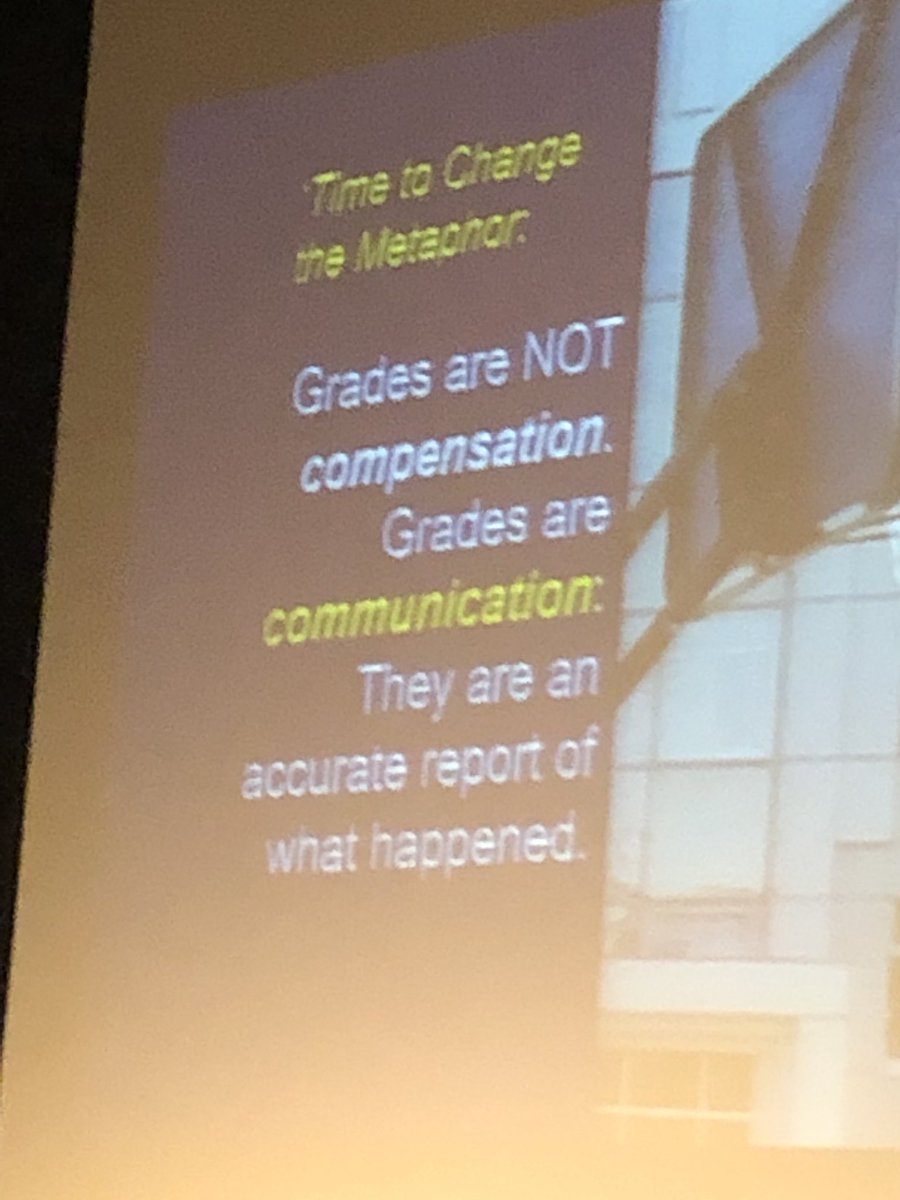
Grades are not compensation! They truly are communication about the student. How well is this student progressing? Where are they finding, or not finding, success? What can be done to help this student improve their skills so that they may be successful outside of the school walls? The number is a paper tiger if the student is only doing enough to beat tests, and say what they think their teacher wants to hear, under the guise that numbers will allow them to be successful later on.
I get it, colleges use numbers. They value numbers as a way to differentiate students that are going to be assets to there institutions. As a parent of a prospective college student, and someone that has been around the college application process for over two decades, the idea of numbers as the and all and be all for college acceptance is utterly absurd. Students today need so much more than SAT and ACT scores, perfect grade point averages. The college student of today needs to have a myriad of skills, interests, and the ability to be a leader inside and outside the classroom. Sorry, but the grades only encapsulate a small piece of the story of a student.

So, rethinking where priorities should be placed in education is paramount for student successes after high school. If you want teachers to be number dispensing machines, we can do that, all day, every day. If you want someone that is dedicated to guiding your student to be the best, most skilled version of themselves, we can do that, too. At the end of the day, the future career for most students has not been developed yet. No one even knows that a need exists for that job. Do numbers, or letters, for that matter, tell anyone that a student has the skills to learn a new system, methodology, or way of thinking?
Let’s go old school, non- standards and proficiency based for a second. Lets say that you are a college admissions officer. You have to choose between two students:
Student A- 4.0 GPA, 1810 SAT
Student B: 4.0 GPA 1670 SAT
Who gets in? Which one receives the rejection letter?
Admittedly, this is a simplified version, but strictly based on numbers, who is the best fit for your school ? What is missing? In an instant, the entire body of the students schooling experience becomes a number. (Or, numbers on a transcript.) If one of these was your child, does this adequately encapsulate them? What if there was a way for people to have a insight into who they are as learners? How could their skill sets, interests, leadership potential, and abilities be represented in a way that provides a clear picture of the person that is applying to your institution?

My wish, as an educator, is that the teachers of my children (I have six, of varying abilities and interests) work to see them as individuals. That their teachers take the time to focus on their skills development, their knowledge base, and challenge them to be well rounded, creative, problem solving, critical thinking, and self motivated. (I shudder at the thought of a parent conference that represents my child as only a set of numbers.) These skills are their ticket to higher education, career, trade development, and jobs in the next century. If their teachers “lay up,” to only be purveyors of numbers? Then they are missing the opportunity to focus on what truly matters in education of all children in their care.
As the teacher for the children of other people, I hold myself to the same standard I hold the teachers of my kids. I have to be on guard, analyzing and evaluating my classroom processes, eliminating practices that are not helping develop my students as active learners. Eliminating the passive, nostalgia (which, if we are being honest, has plenty of “When I was in school” horror stories.) focusing on the needs of my students in the 21st Century.
 Mr. H's Not So Secret Classroom