

Stepping back to an previous post, the initial goal of the badging initiative was to focus on student skill growth in addition to academic achievement. Thinking around the issue, I have yet to find a way to disconnect academic knowledge and the critical skills that students need for success.
Poking around online, I have found study skills “toolboxes” and social-emotional toolboxes .
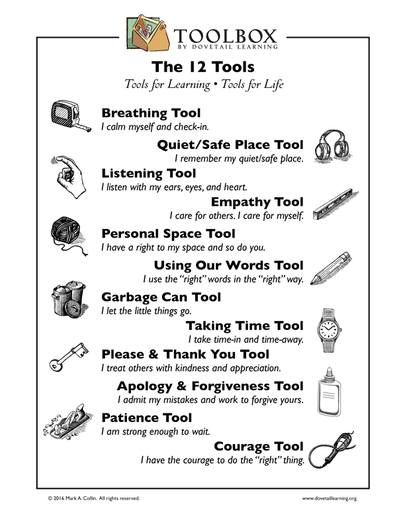
What about a “Transferable Skills” toolbox? The news is full of articles, studies, and surveys that state that students feel unprepared to join the workforce. I hear this sentiment in the community, but the focus is on poor customer service, not overall skills. This creates questions about exactly WHERE students should acquire skills?WHAT skills are most necessary? HOW can we, as educators, provide opportunities to practice these skills?
Students, when asked, often disconnect “school skills” and “outside/ life skills.” With that in mind, the Badging Program began to bridge this gap.
Advisory began the year role playing- using the upcoming life certainty- the teen Part Time Job.
With no specific time set aside for badging, I claimed Monday in advisory to begin talking about a specific skill, letting students follow the stream of consciousness that often accompanies student discussions (they DO love to give their opinion- all the time- about everything) and let the ideas guide the formation of some classroom word art.
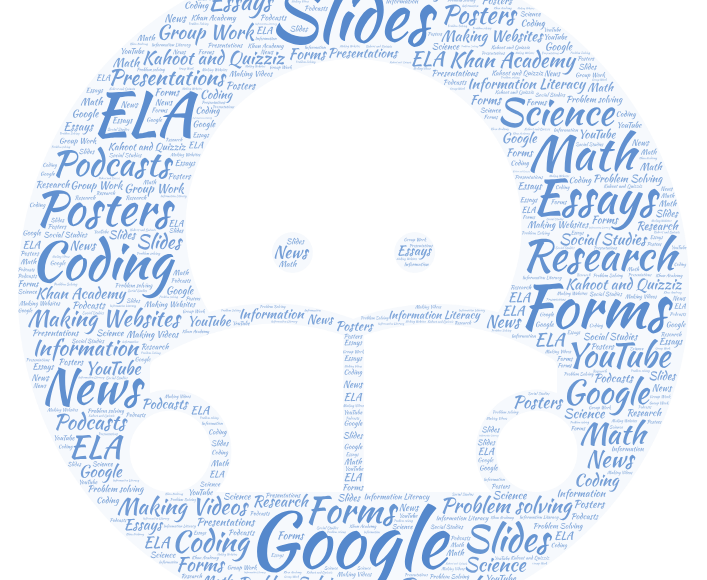
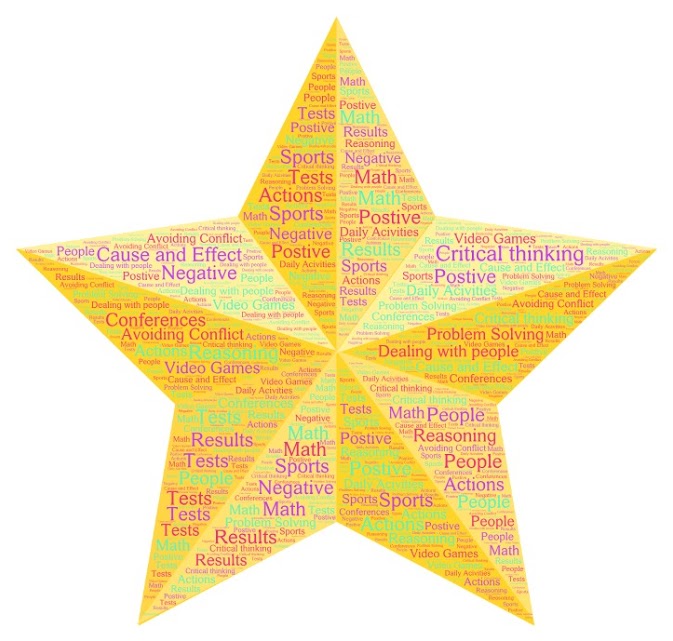
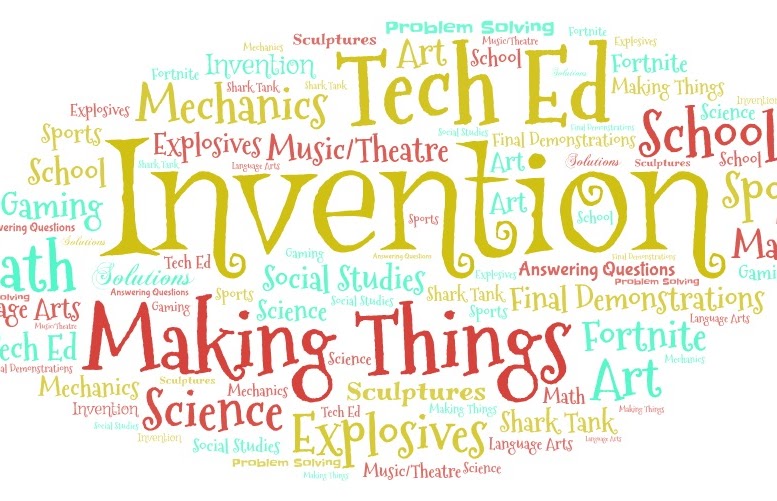
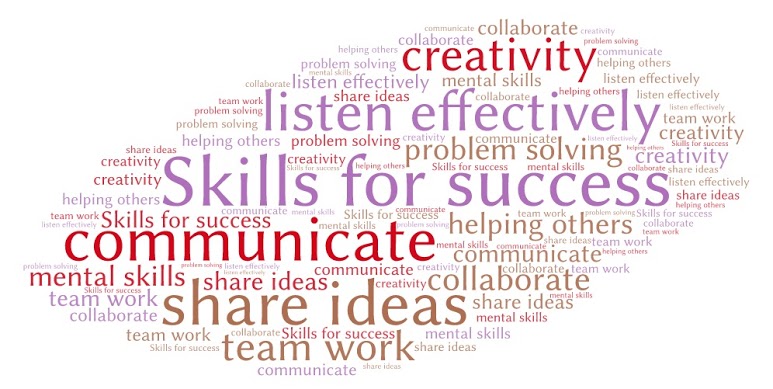
So begins the design of the student “Skills Toolbox.” From here- we set aside Friday mornings to reflect on our skill development and apply for badges baaed on work, experiences, and “life epiphanies” (where students identify a developed skill from anywhere.) Applications are sent to me, and forwarded to students that have reached “Summit Badge” milestones for certain skills.
Sample Student application from early in the year.
After attending the iNACOL Conference in Nashville this Fall (shameless plug- highly recommended!) I was excited to revamp the skills application, changing the wording and leveling up the reflection options for students.

The next step? To incorporate these badges into my Proficiency Playlists, and see if my colleagues will do these same in their own curriculum. Fingers crossed to see some growth in both skill development, student reflections, and program acceptance!
 Mr. H's Not So Secret Classroom