
“Mr. H!! Can I just make a slide show, essay, or poster? “
“Nope, no thanks, I’m good. What else are you thinking?”
“Why not?”
The simple answer is “because.”
Because the “big three” of demonstrating understanding are blank templates that students always default to when asked to demonstrate or present.
Because students are adept at manipulating this medium (i.e. cut and paste ONE more thing- I dare you! I double dare you! Paste something one more time!)

Don’t get me wrong, slides, essays, and posters do have their place in the classroom. In the quest to create a more creative and student-centered learning environment, summative assessments became “demonstrations of understanding.” The goal was to give students an opportunity to create ways to show how THEY understand a concept. Can they model in a way that makes sense to them, creating agency by allowing them to use personal passions to demonstrate understanding?
This all stems from an experience I had with a child that may seem familiar. A seemingly timid, quiet, withdrawn young woman. Paralyzed when asked a direct question, only smiling from behind a hand over her face. She seemed so withdrawn from class, that she did not even attempt to engage with classmates. It was heartbreaking to seek avenues of connection, of engagement, a chance to feel valued within the classroom. Honestly? I consider myself pretty adept at finding connections, letting students know that they are important.
Never did I expect that the rock cycle would change the trajectory of this young lady’s school career. Read that again, slowly.the ROCK CYCLE! I know, I know, I was surprised as well. As the assessment (read- a carefully crafted paper assessment, ugh.) neared, I knew that this would be another piece of paper to be returned to me all but blank. So, in a moment of desperation that turned to revelation, I walked over, sat down, and asked her point blank “What do you do when you are not here?”
After the initial shock wore off, her face brightened, and she whispered, “I love to dance. I have been a dancer since I was little.” After a little banter about type of dance she enjoyed most, ballets she has seen, and how I don’t understand interpretive dance, I asked something seemingly innocuous. “Could you think of a way to show the rock cycle in dance? I bet it is possible, but no one wants to see me dance.” Fast forward a week, and my class was given the most complete, engaging and interesting interpretive dance of the rock cycle I have ever witnessed. (To be fair, it is the ONLY rock cycle interpretive dance of the rock cycle that I have ever seen.) Not only did she meet all the Learning Targets for the unit, the demonstration of her talent opened social avenues, and thus classroom connections for her. Never sharing her talent, the divide between “in school” and “out of school” life deepened for her. Amazingly, she never used dance as a way to show understanding, but she became the choreographer for a number of other student productions. Her engagement increased in class, with this agency leading her to risk taking and greater classroom successes. From that day forward, my final assessment strategy needed a reboot.

Now, this is not to say that there is not a place for paper assessments, or summatives that need to look more standardized. Could your formatives be the paper way to assess? If no, I ask you to answer “Why not?” The challenge is to envision ways for students to show their understanding. Pick ONE unit of study that you challenge them to rethink how they understand a topic. Give yourself the opportunity to connect with their passions, gaining a greater understanding of them as individuals. Another revelation is that it provides me the opportunity to learn from my students. (Ex. They will want to podcast, so I learn to make a podcasting studio and use the software!) Instead of finding technologies, and then trying to figure out where they fit, let the students decide what they want to do, then find the tool that fits the bill.
I am currently curating a number of student demonstrations for a future post, but here is a little sampling of student driven ideas:
A Digestive System “Obstacle Course” run for prizes “Ninja Warrior”style.
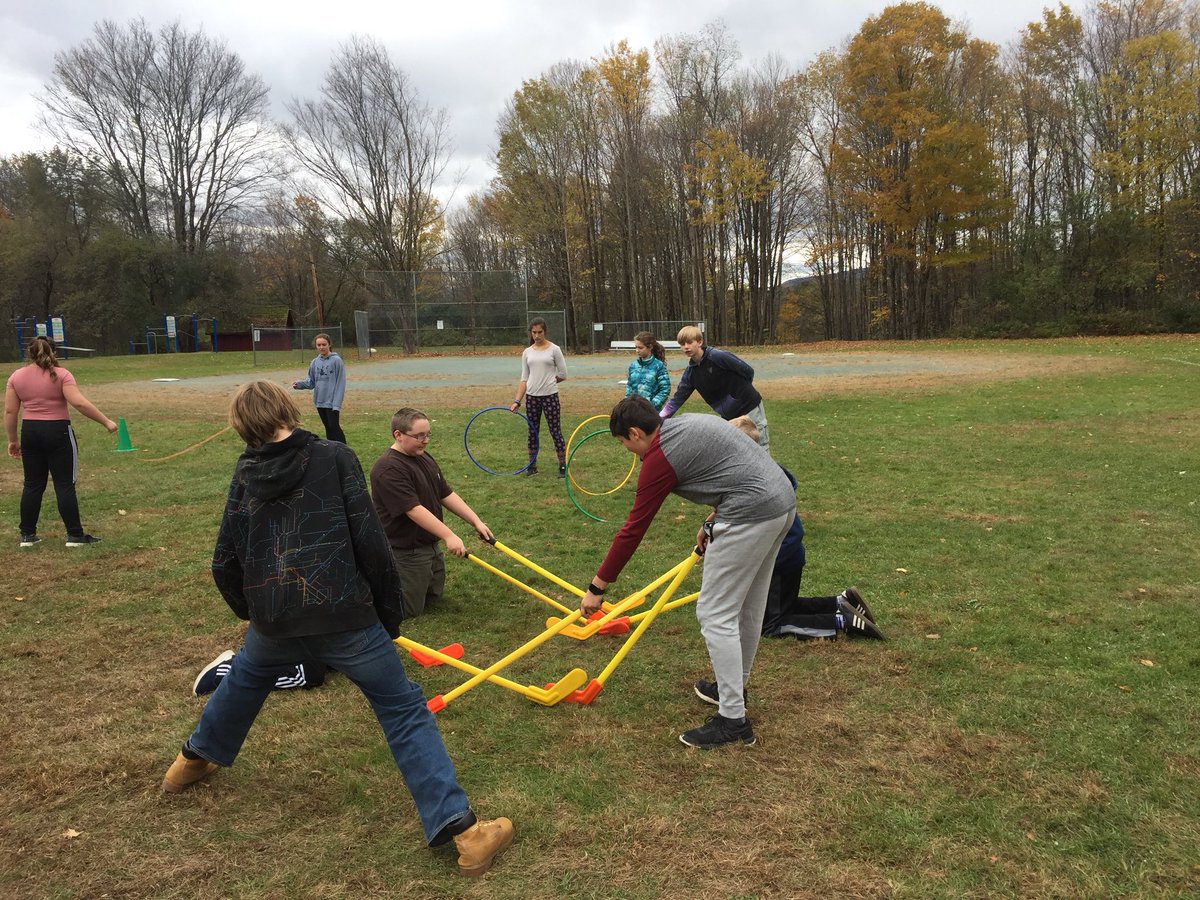
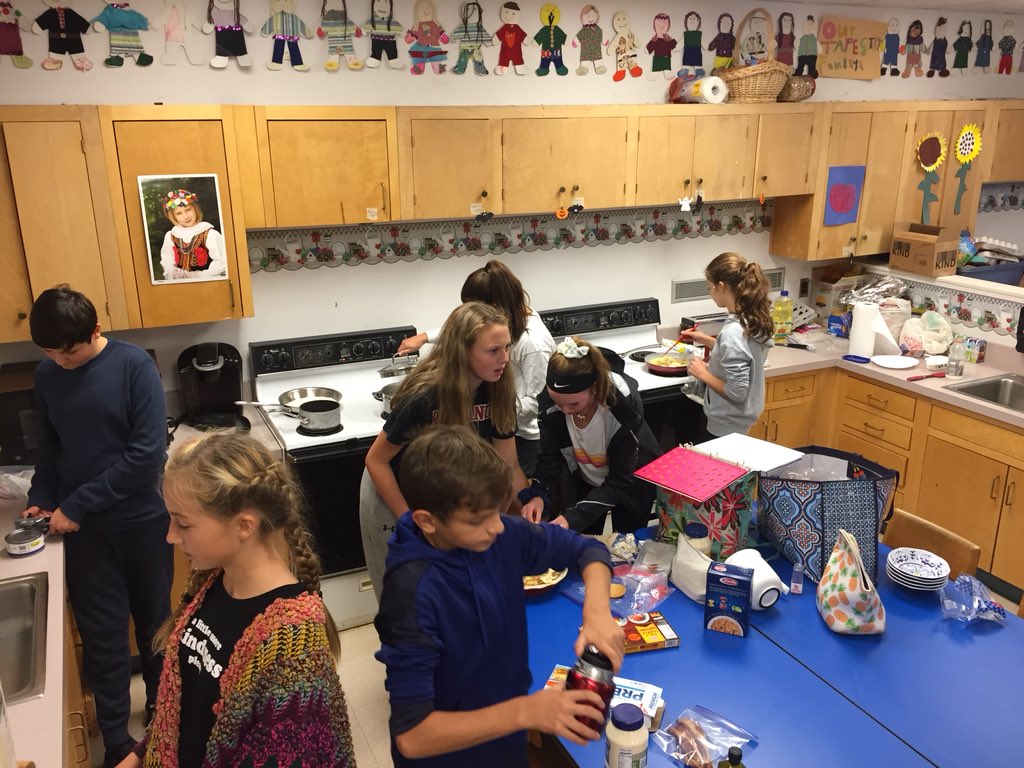
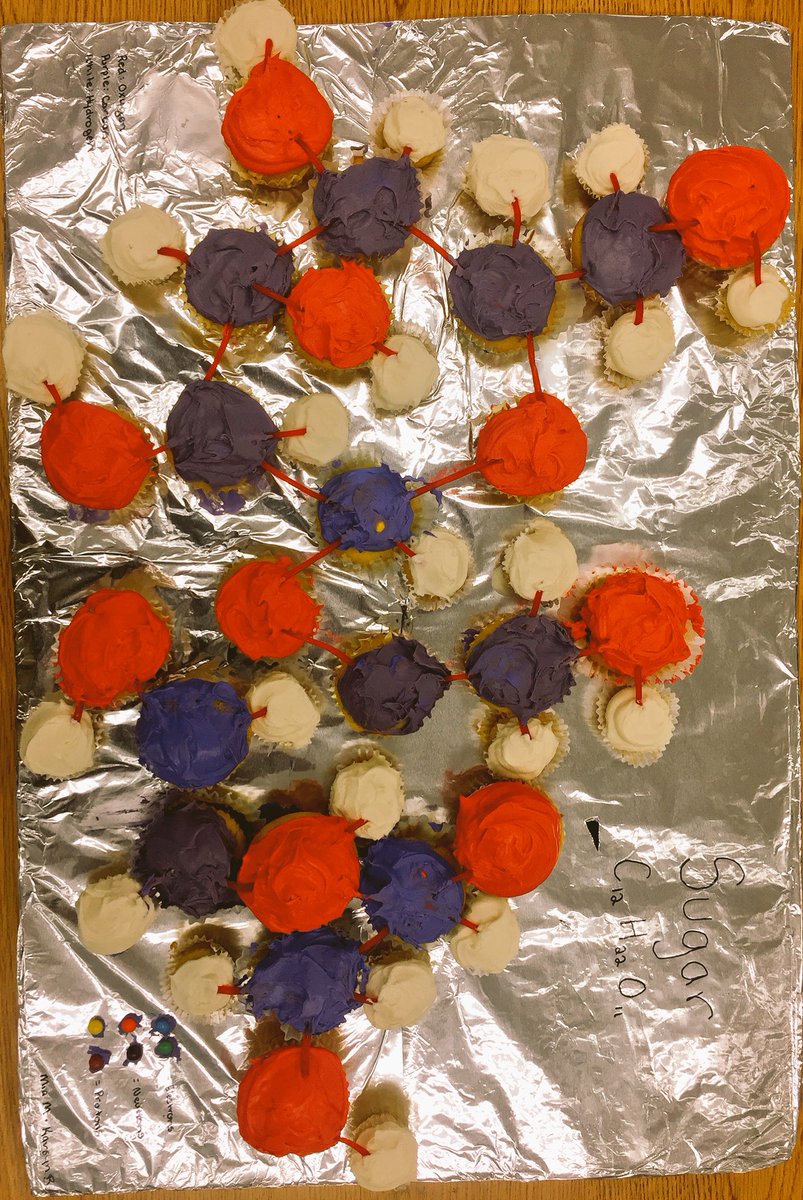

We have numerous videos, cartoon, models, podcasts, the list goes on and on. Curious about how many ways we have found to demonstrate what we know? Here is our student collated list of ideas!
 Mr. H's Not So Secret Classroom