
In an ecosystem, symbiotic relationships rule. They determine success and failure of an organism, with even the smallest of changes impacting all organisms within the system. Bottom-Up or Top-Down ecological changes can alter the system on a profound level. Remove wolves from Yellowstone? Rivers widen and flood more regularly. Lose a plant, decomposer, some algae, and the wolves starve. Little changes for big impact.

This systemic change exists everywhere, but the ramifications of small changes are not often considered until the change has been made. In school, initiatives are top-down. New programs, new initiatives, and the latest and greatest ideas are decreed to the lower levels, and we are tasked with making them work. Through these, the system changes, the good or bad is always to be determined.
So, in the building, who is the keystone species? Teachers? Admins? I would argue that students control the landscape of what we do. Their buy in is everything. Get them excited about the project? Everyone wins. A classroom of engaged, active learners, speaking a common language is a beautiful thing.

The challenge then becomes providing students with input into their classroom experiences. Student-Centered should be student centered, full stop. The challenge is how to step away from the nostalgia of how we were taught to lesson plan, unlearning the old, and flipping the way that we think. Yes- our thinking. I am going to advocate for a bottom up ecological change in the curricular ecosystem.
The next time that creativity hits you, begin curriculum design with two transferable skills. Yep, that’s all. Pick two skills that you feel are most beneficial to your student centered classroom. Collaboration? Leadership? Modeling? Communication? Problem Solving?

Do you have them? Ok, let’s go.
Now you can identify content. Grab the proficiency that students will be meeting (yes, they ALL will meet the standard) and place that below the identified skills.
Now you are in a place to create your “I can” statements for students. Break down the proficiency into clear, concise statements for students. Be sure to include a place for feedback for both student and teacher.
How do you want students to access information as they develop skills that move them towards the proficiency? Compile a list of resources for students to access. This is your chance for differentiation. Who knows the needs of students in your room better? What do they need? What meets them where they are, and can allow them to access information?
It is now PBL, Project, or Performance Task time. This has options. You can utilize the tasks that you find have been successful, and use them to guide students towards PBL. Students can also work through scaffolded and differentiated tasks of your choosing.
Or, there is a chance to put students in the driver’s seat. Buckle up, get ready to pump the passenger seat “phantom brake.” What if, stay with me, what if you allowed students to start with the transferable skills? Award equal weight to skill development AND the academic proficiency?

As these tasks are completed, there is time for informal (“fun,” even) formative assessments for BOTH skill and content. Informally, stopping a small group, or large group, and asking how well they feel that they are collaborating. What are positive signs of collaboration? What could be improved. Have them verbally assess themselves on a 1-4 scale. Quick and easy, then you are a phantom, on to the next group. Soon, they will be able to assess each other, and themselves, on their progress towards meeting the skills proficiency.
Now it gets weird. Once students are done with the tasks, completed formatives, and have had a chance for feedback (teacher and peer) can students be given the opportunity to develop a model/ method to explain their understanding of the proficiency and the transferable skill? Does the assessment have to come from your brain, onto paper? With all the formative data (paper does not hurt my feelings), is there really any reason that a model or project would not adequately represent student understanding of the proficiencies?
Ideas? Future chefs demonstrate their understanding of the Periodic Table through 107 cupcakes.
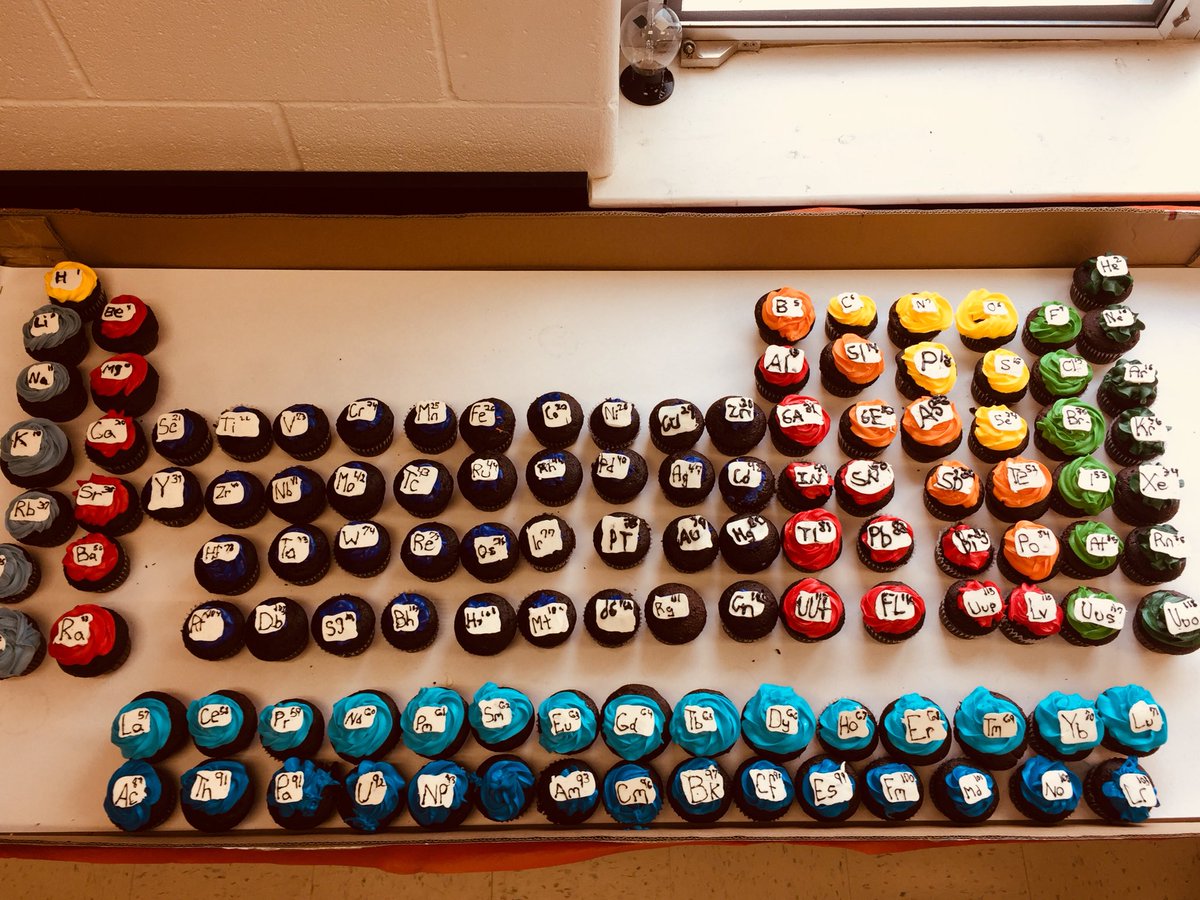
What if the model was a dance, song, poem, coding project, mechanical model, etc.? Does focus on the skill and proficiency provide a clear direction, especially when leveraged with the initial “I can” statements?
Ex. Or recreating “Chopped” to demonstrate physical and chemical changes and interaction of matter?
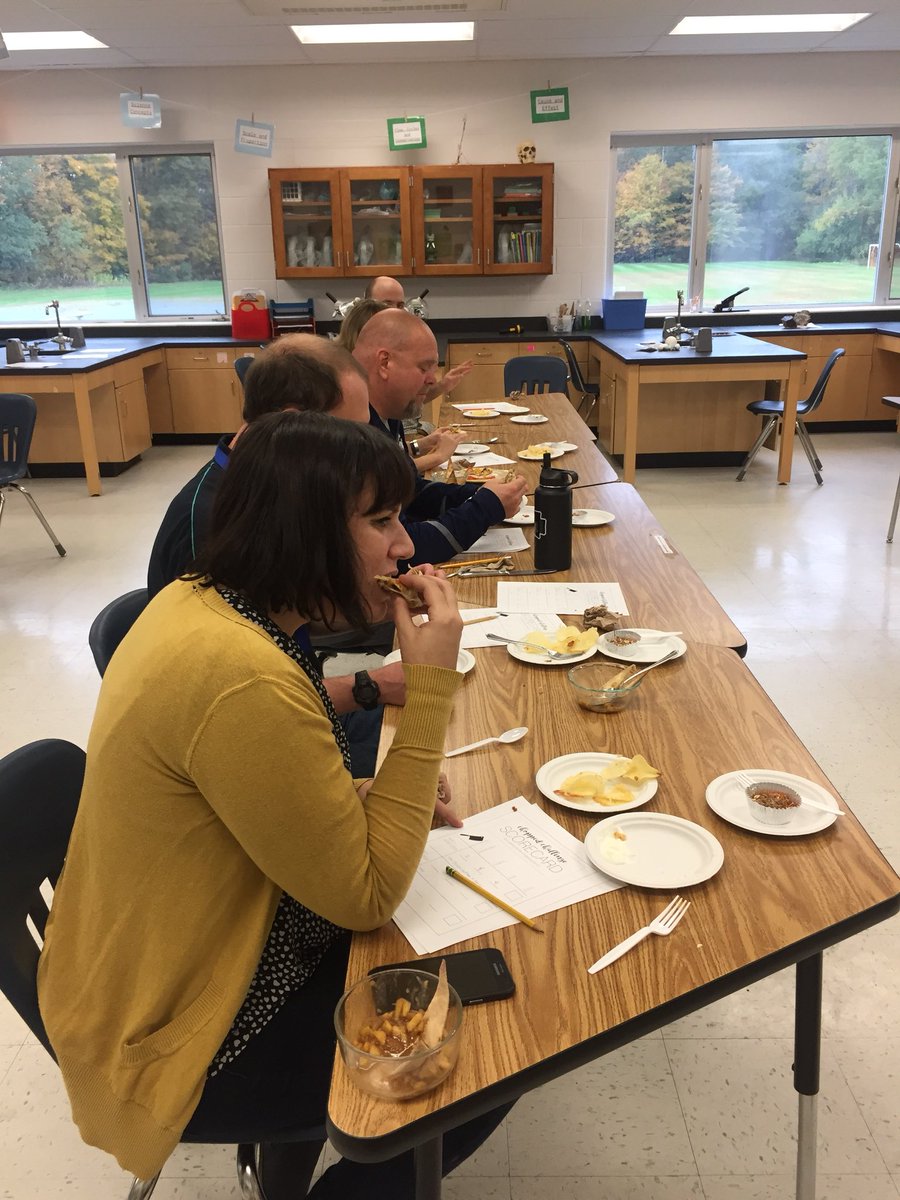 (A huge thanks to our celebrity judges for putting their taste buds on the line for the good of the order.)
Students first. What must we unlearn and then relearn to create a truly student-centered environment? Instead of a top-down changes, how will the classroom ecosystem change if we go bottom-up, getting in touch with our classroom keystone species? To accomplish this, it is time for me to investigate how to add more student voice into my curriculum development.
 Mr. H's Not So Secret Classroom